The Insider's Log
Screenwriting & Film Development Resources
The film and television industry can be difficult to navigate, particularly when a project begins outside the traditional Hollywood development system.
The Insider's Log provides practical resources for authors, filmmakers, publishers, literary rights holders, and screenwriters working to move stories from the page toward the screen.
Our articles cover screenplay development, book-to-screen adaptation, literary IP, documentary development, industry processes, and the technical decisions that can determine whether a project is ready for professional consideration.
Explore by Category
Adaptation Strategy
Learn how novels, memoirs, and other source material can be translated into cinematic stories without losing the elements that make the original work distinctive. Topics include adaptation structure, selecting the cinematic core of a book, condensing source material, character adaptation, format decisions, and the differences between prose and screenplay storytelling.
Explore Adaptation Strategy →Industry Access
Understand the people, processes, and development stages that sit between a completed screenplay and a potential production. These articles examine script evaluation, professional readers, development executives, submission strategies, industry relationships, and what happens when a screenplay reaches a production company or studio.
Explore Industry Access →The Script Doctor's Desk
Practical writing and development guidance covering screenplay structure, dialogue, pacing, character development, rewriting, and common problems that can prevent a script from working. These articles are intended for writers and filmmakers who want to understand why a screenplay is struggling and what kind of development may address the problem.
Explore The Script Doctor's Desk →The Business of IP
Resources for publishers, literary agents, authors, and rights holders interested in the film and television potential of published intellectual property. Topics include literary rights, catalogue development, adaptation potential, development materials, and strategies for identifying properties that may warrant further screen development.
Explore The Business of IP →Latest Insights
 Adaptation Strategy
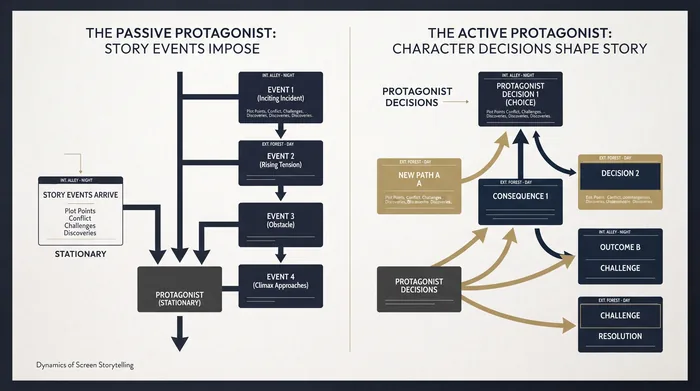
 Passive vs. Active: Is Your Protagonist Too "Internal" for a Screenplay?
Is your novel's protagonist too internal for film? Learn how screenwriters translate internal character journeys into visible action without losing what makes the story work.
 Adaptation Strategy
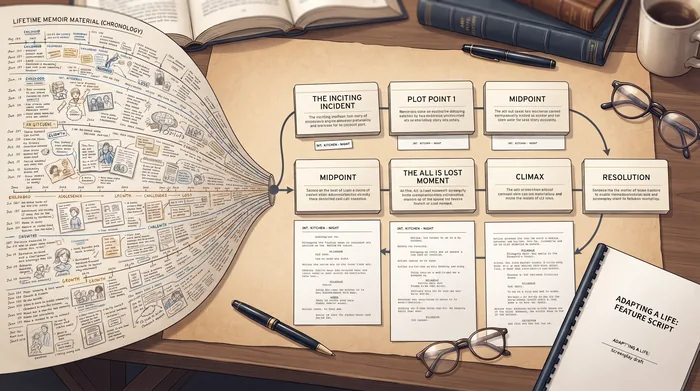
 The Memoir Trap: How to Structure a Life Story into a Three-Act Movie
Learn how to turn a memoir into a screenplay using a three-act structure without forcing an entire life story into a movie.
 Adaptation Strategy
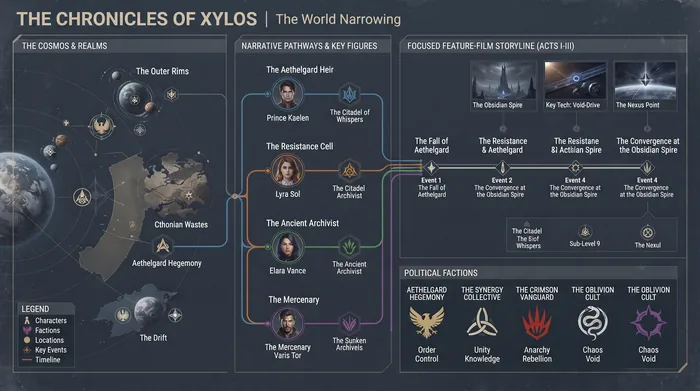
 Adapting the Impossible: How to Handle Sprawling Sci-Fi and Fantasy World-Building
Learn how screenwriters translate sprawling sci-fi and fantasy world-building into a workable screenplay without burying the central story in exposition.
 The Business of IP
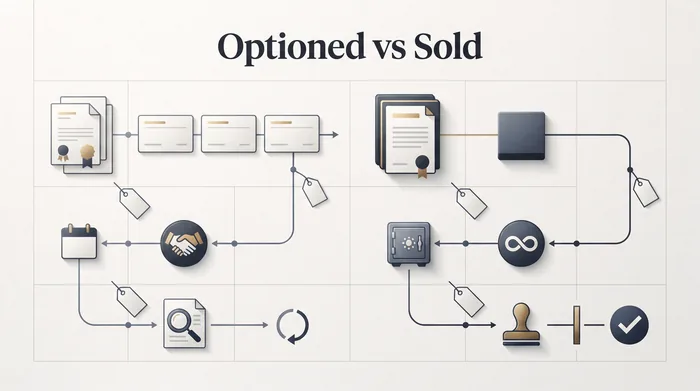
 Optioned vs. Sold: Understanding the Financial Reality of Film Rights
What does it mean when a book is optioned for film? Learn the difference between an option and a sale, how these deals work, and what authors should consider.
 Adaptation Strategy
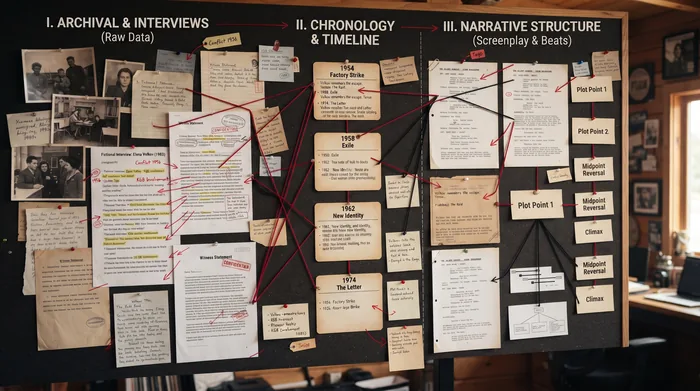
 Why Your Documentary Needs a Paper Script Before the Camera Rolls
Explore how treatments, outlines, paper edits, and other development documents can help organize factual material into a coherent narrative before or during production.
 The Script Doctor's Desk
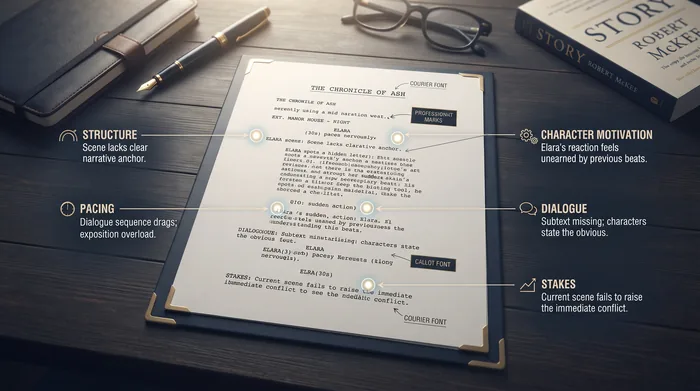
 5 Signs It's Time to Hire a Professional Script Doctor
Learn how to recognize structural, dialogue, pacing, character, and development problems that may require an objective assessment or more substantial screenplay intervention.
 The Business of IP
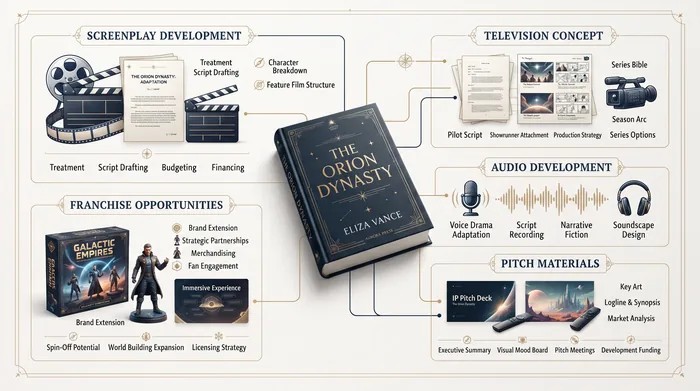
 IP Maximization: Why Every Publisher Needs a Cinematic Development Partner
How publishers can evaluate their catalogues, identify promising screen properties, and determine what development materials may be appropriate before approaching film and television professionals.
 Adaptation Strategy
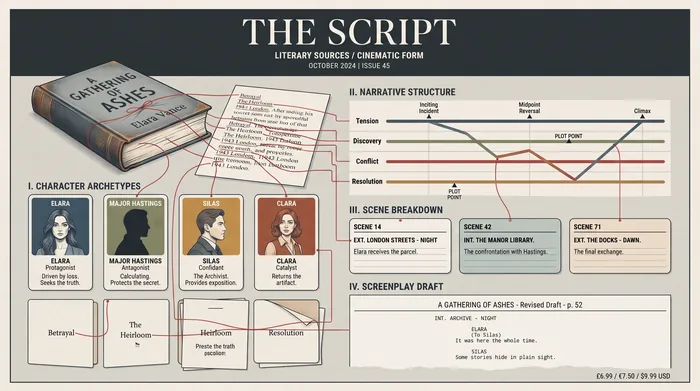
 The Art of the Adaptation: Why Your Novel Needs a Cinematic Translation
Learn what changes when prose becomes a screenplay, what material may need to be condensed, and how an adaptation preserves the dramatic core of the source material.
 Industry Access
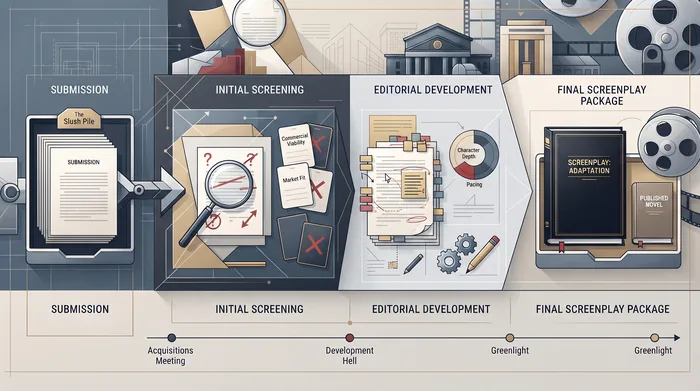
 The Gatekeeper's Key: What Happens When a Script Reaches a Hollywood Desk?
Learn what happens when a screenplay reaches a producer, what professional readers evaluate, and how writers can eliminate avoidable reasons for a pass.
Featured Resources
Book-to-Screen Adaptation
Understand the process of translating a published work into a screenplay, from source analysis through adaptation planning, screenplay development, and revision.
Script Development
Learn how professional screenplay development approaches structure, character, pacing, dialogue, genre, and revision.
Publisher Services
Explore how publishers and literary rights holders can identify and develop books with potential for film and television adaptation.
Documentary Development
Learn how documentary and docuseries projects can be structured and developed before production or during post-production.
About the Insider's Log
The Insider's Log is written by Raphael Olanibi and the ScreenwritePro team.
Our goal is to explain the development process clearly enough that authors, filmmakers, and rights holders can make better decisions about their projects.
We believe clients make better development decisions when they understand what is involved in turning a story into a professional screen project.
Ready to Develop Your Project?
Reading about screenplay development is useful. At some point, the project itself needs to move forward. Whether you need an original screenplay, book-to-screen adaptation, script doctoring, coverage, treatment, documentary development, or publisher support, ScreenwritePro can help determine the appropriate next stage.